
Spring Allergies vs. Fireplace Smoke: How to Protect Your Lungs
Allergies and fireplace smoke are different irritants, but they often converge in the same place—your home. For many people, especially in colder months, the warm, crackling fire can be a source of respiratory discomfort. Knowing how these factors affect your lungs and how to manage them can make a huge difference in your indoor air quality and overall health.
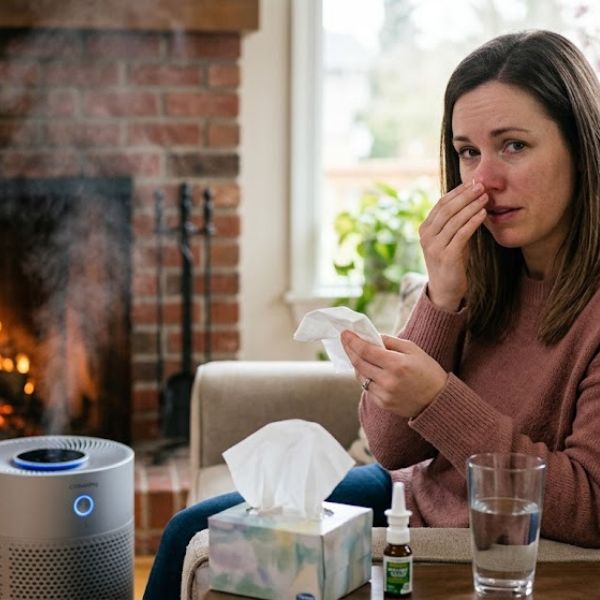 The Overlap Between Allergies and Smoke
Allergies are typically triggered by substances such as pollen, dust mites, mold spores, and pet dander. These allergens are microscopic, easily inhaled, and can cause sneezing, congestion, itchy eyes, and asthma flare-ups.
Fireplace smoke, however, is made up of fine particulate matter, carbon monoxide, and other combustion byproducts. While fireplace smoke often smells good, especially when burning hardwoods, it can irritate your respiratory system in ways similar to allergens. In fact, the fine particles in smoke can penetrate deep into your lungs, worsening existing allergy symptoms or triggering new issues.
For people who are already sensitive to airborne irritants, combining allergens and smoke can create a perfect storm. The lungs become overloaded, and symptoms can quickly intensify.
Why Fireplace Smoke Is a Hidden Problem
Most people think that because smoke goes up the chimney, there’s no issue, but that’s not always the case. Poor ventilation, creosote buildup, or minor downdrafts can cause smoke to linger indoors.
Even when a fireplace is working the way it’s supposed to, tiny particles can still escape into your living room. These particles are too small to see, but can significantly impact your air quality. Repeated exposure can irritate the lungs, reduce air quality, and contribute to chronic respiratory problems.
Who Is Most at Risk?
Certain groups of people are more vulnerable to allergens and smoke:
- People with asthma or chronic bronchitis
- Children whose lungs are still developing
- Older adults with weakened respiratory systems
- Anyone with known seasonal or indoor allergies
If you fall into one of those categories, you must be proactive about protecting your indoor air quality.
How to Protect Your Lungs
The good news is that you don’t have to give up your fireplace. With the right precautions, you can enjoy it while minimizing the health risks. Here’s what you can do.
Keep the Chimney Clean
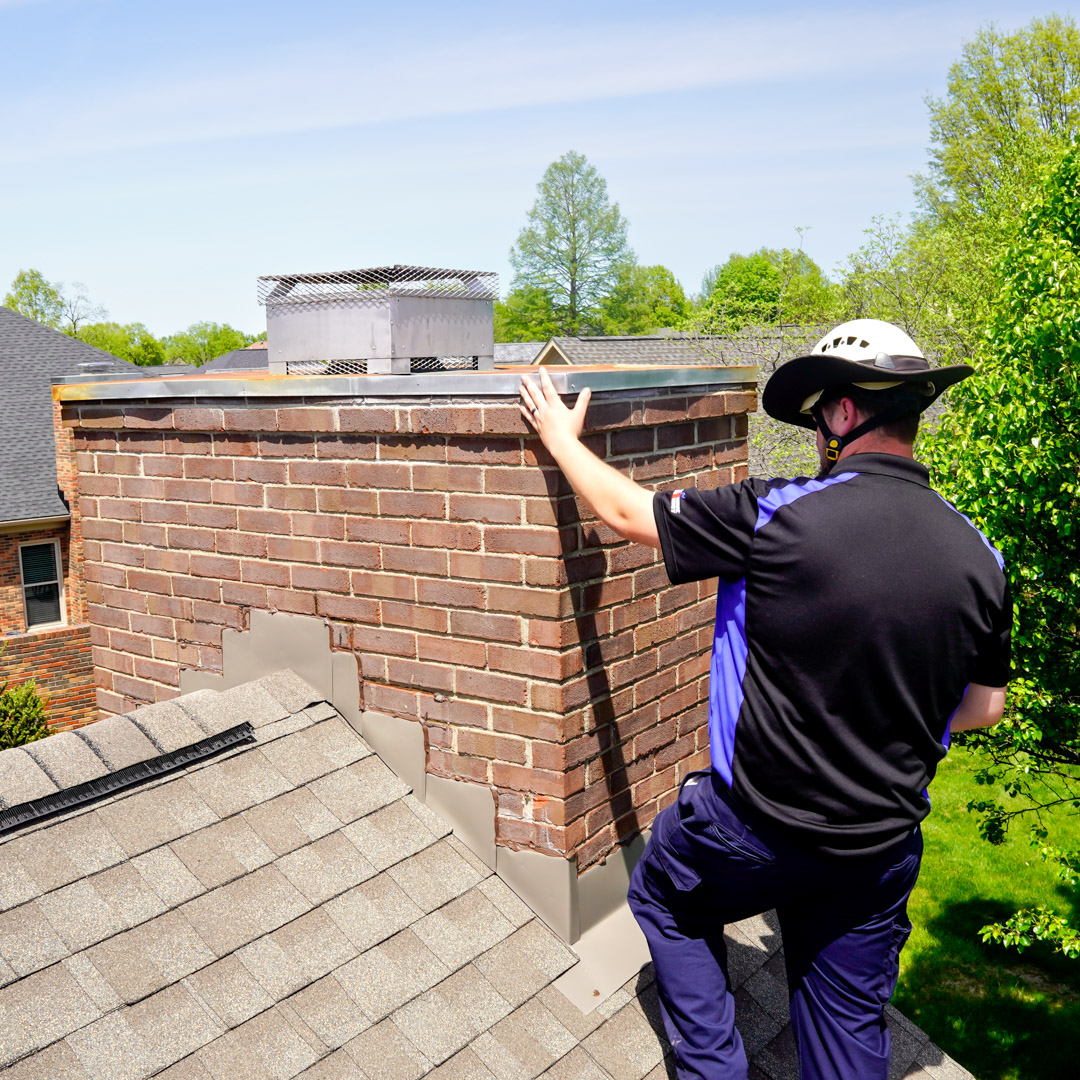
Regular chimney inspections and sweepings are crucial. Creosote buildup increases the risk of a chimney fire and restricts airflow, making it more likely for smoke to flow back into your living room. An annual inspection and sweepings by a certified professional ensure your system is venting properly.
Burn the Right Wood
The only wood you should burn is seasoned, dry hardwood. Wet or green wood produces more smoke and releases more pollutants into the air. Don’t burn treated wood, painted scraps, or garbage, as these can release toxic chemicals that can make your symptoms worse.
Improve Ventilation
Make sure the damper is fully open before you light a fire. Also, consider cracking a window to improve airflow and reduce the chance of smoke backing up into the house.
Use a Fireplace Insert or Glass Doors
Modern fireplace inserts and sealed glass doors can significantly reduce the amount of smoke that flows into the room. They also improve efficiency, which can reduce your energy costs.
Invest in an Air Purifier
A high-quality air purifier with a HEPA filter can trap allergens and fine smoke particles. Put it in the same room as the fireplace, or in a commonly used living area, to keep the air clean.
Control Other Allergens
Reducing the allergen load in your home can make it easier for your lungs to handle occasional smoke exposure. Vacuum regularly with a HEPA filter, wash bedding frequently, and keep humidity levels in check to prevent mold growth.
Get Your Chimney Swept for Spring!
Call American Chimney & Fireplace to schedule your spring chimney sweeping and inspection. Our certified technicians can remove creosote, soot, and debris, reducing odors and the risk of a chimney fire. We can also spot potential structural issues, like cracks, blockages, and rust, before they turn into major repairs. Contact us today!