
Is Your Chimney Noisy?
It’s not uncommon for chimneys or things in them to make noise. And there are several workable solutions to reduce the noise or at least minimize it. But first, you have to know what’s causing the noises because some of the sounds might actually be alerting you to a serious chimney problem that needs attention.
American Chimney & Fireplace of Louisville, KY, would like to share some of the reasons for chimney noise and how to address the problem.
 The three leading causes of noise in a chimney
These are the most likely culprits:
- Wind whistling down the flue
- Animals in the chimney
- A chimney fire
Let’s look at them in order of importance.
Chimney fire
Chimney fires can be significant, violent events or brief, small ones, and they can go out before anyone notices. But all chimney fires can damage the chimney liner and possibly other parts of your chimney system. Most chimney fires make distinctive sounds.
When your fireplace is operating, be aware of odd ticking, clicking, or tapping sounds. These sounds occur when fire is affecting the materials of your chimney flue or when creosote builds up in it.
Another sound to listen for is a rumbling noise that’s like a train in the distance. Combustion in a concealed chamber (i.e., the flue) can cause this type of chimney noise.
Along with sounds, a chimney fire usually sends excess amounts of dark smoke through the top of the chimney and sometimes out of the fireplace.
If you notice any of these chimney fire signs, call 911 immediately and evacuate the house. Don’t return until the situation is under control, and don’t use your fireplace again until it is inspected.
Animals in the chimney
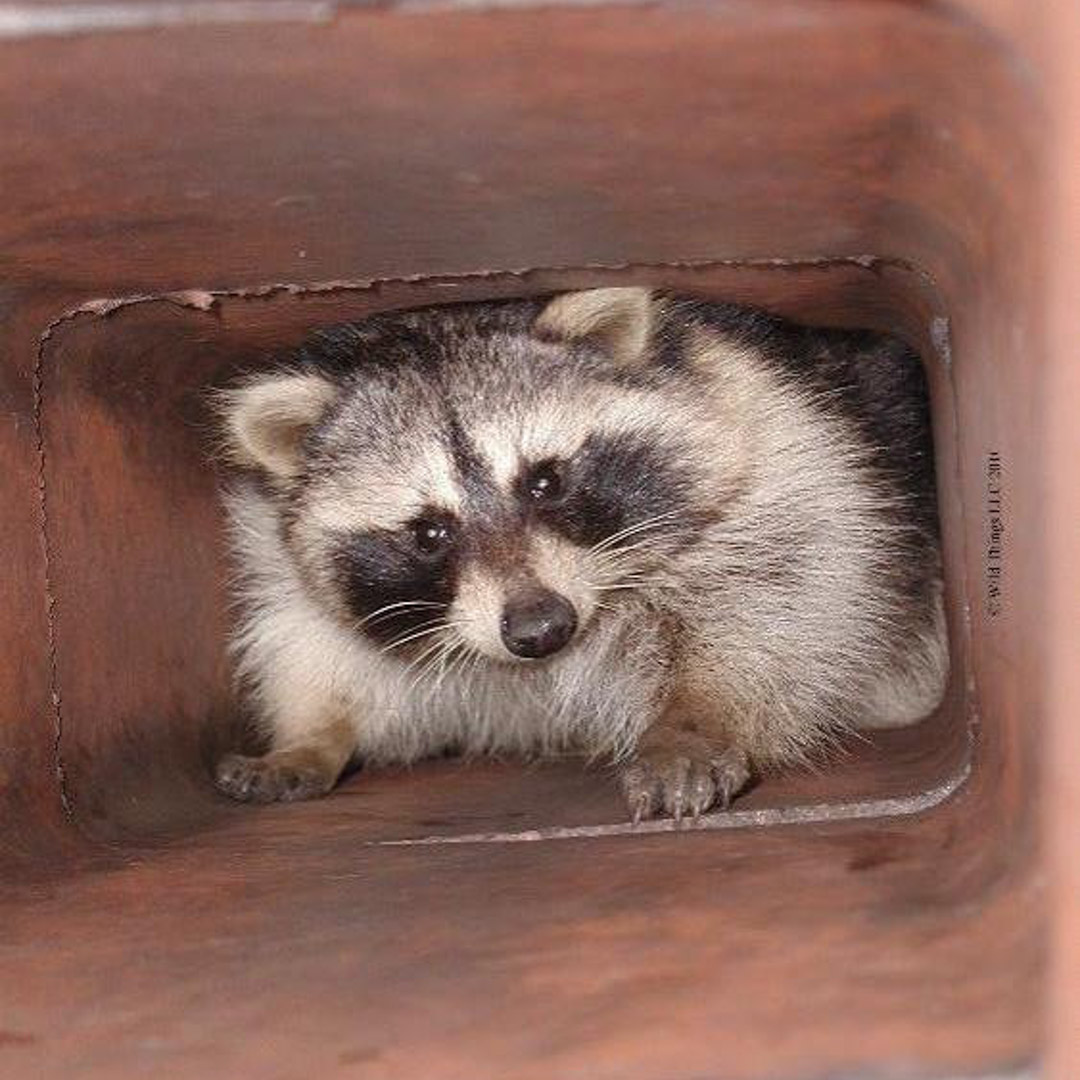
You’ll often be able to tell that animals are in your chimney when you hear their chatter or chirping. But some animals may not make audible noises, and all you’ll hear is some weird scratching or movement sounds. Chimneys don’t scratch or move on their own, so if you hear these noises, it’s probably an animal.
Birds, squirrels, raccoons, rodents, snakes, and other small animals like to shelter in chimneys during harsh weather. Some use chimneys as birthing grounds, and the nests they build can narrow the flue and cause smoke and dangerous carbon monoxide to back up into your home.
Some animals die in chimneys, unable to escape. This adds to the flue blockage and can send some pretty powerful odors into your home.
If there are animals in your chimney, call your local wildlife department or a professional chimney company to have the critters safely removed.
 Wind in the flue
The most common and bothersome chimney noise is the whistling sound caused by wind blowing down the flue. This wind can also send cold drafts of air into your room. Here are some good ways to resolve or lessen this problem.
- Make sure the fireplace damper is closed when the fireplace isn’t being used.
- Install a secure chimney cap with a solid cover to block a lot of the wind.
- Install a set of fireplace doors that can be closed when the fireplace is idle.
- Consider a top-mount damper to keep air from getting into the flue in the first place.
- Turn off bathroom and kitchen exhaust fans that can draw air down the chimney and into the room.
Help with chimney noise
American Chimney & Fireplace is ready to help you solve your chimney-noise problem. We clean flues to reduce the likelihood of a chimney fire, remove animals, and improve your chimney draft for a quieter, more efficient burn. Reach a chimney expert by phone or through our contact form.