
How Creosote Can Damage Your Chimney and Put Your Home at Risk of Fire
Among all the reported chimney fires each year in the U.S., most are started by ignited creosote. Unfortunately, many house fires begin with flaming creosote in the chimney. American Chimney & Fireplace has seen the destruction caused by chimney fires, and we want to give you some helpful advice to keep it from happening at your home.
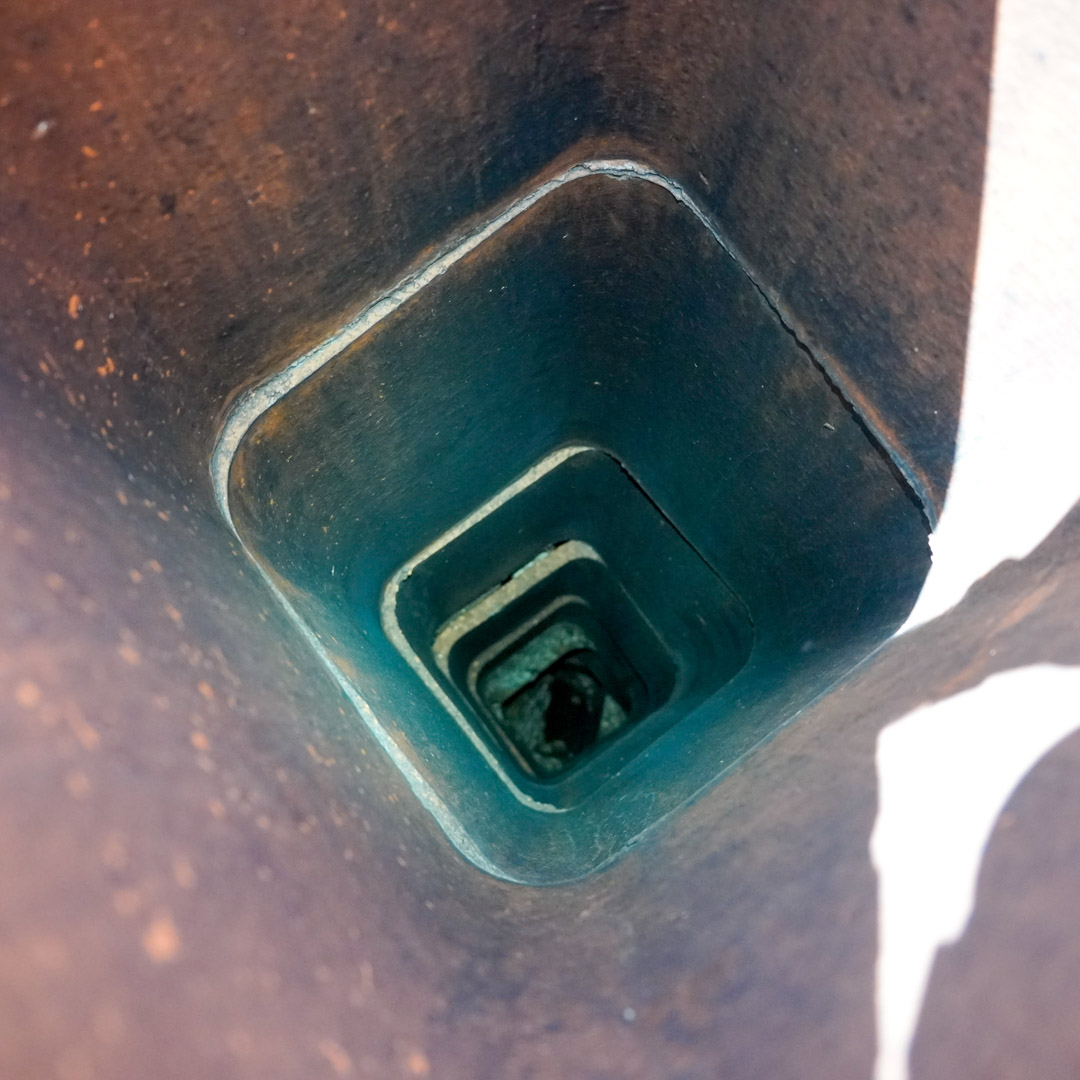 How creosote forms
Creosote can be flaky, puffy, sticky, or solid and forms when wood smoke condenses inside a chimney flue. Highly flammable and acidic, it can’t be prevented entirely, but you can take steps to limit how much is produced during fireplace use (see below).
The dangers of creosote
The main concerns with excess creosote formation in a chimney are the following.
Chimney fire
Tests have shown that it only takes 1/8 of an inch of creosote to ignite. Most chimneys have more than that in them.
It’s important to keep in mind that when we say “chimney fire,” we’re not just talking about the big, blazing events that bring fire and rescue vehicles to your home. Most chimney fires are small and brief and go out before they’re noticed. But all chimney fires are dangerous.
Reducing the level of creosote in your chimney through annual chimney sweeping service will dramatically lower the risk of one of these destructive fires.
Acidic damage
Because of a high acid content, stuck-on creosote can gradually eat through chimney liner materials, including poured compounds, clay tiles, and stainless steel. Creosote acid can also damage the fireplace damper, the chimney cap, and other parts of the chimney system with which it comes in contact.
A compromised chimney liner will open a path for the escape of smoke, combustion gases, and flames. Many house fires and cases of carbon monoxide poisoning start this way.
Carbon monoxide
This deadly gas can leak through a broken chimney liner. It can also back up out of the fireplace if there is a significant creosote buildup in the flue.
Chimney flues are sized to draft based on the size and type of fireplaces they’re connected to. When the flue space narrows, smoke and carbon monoxide can’t rise as easily, and they can easily move into the room. Carbon monoxide is known to be potentially fatal when inhaled in sufficient quantities.
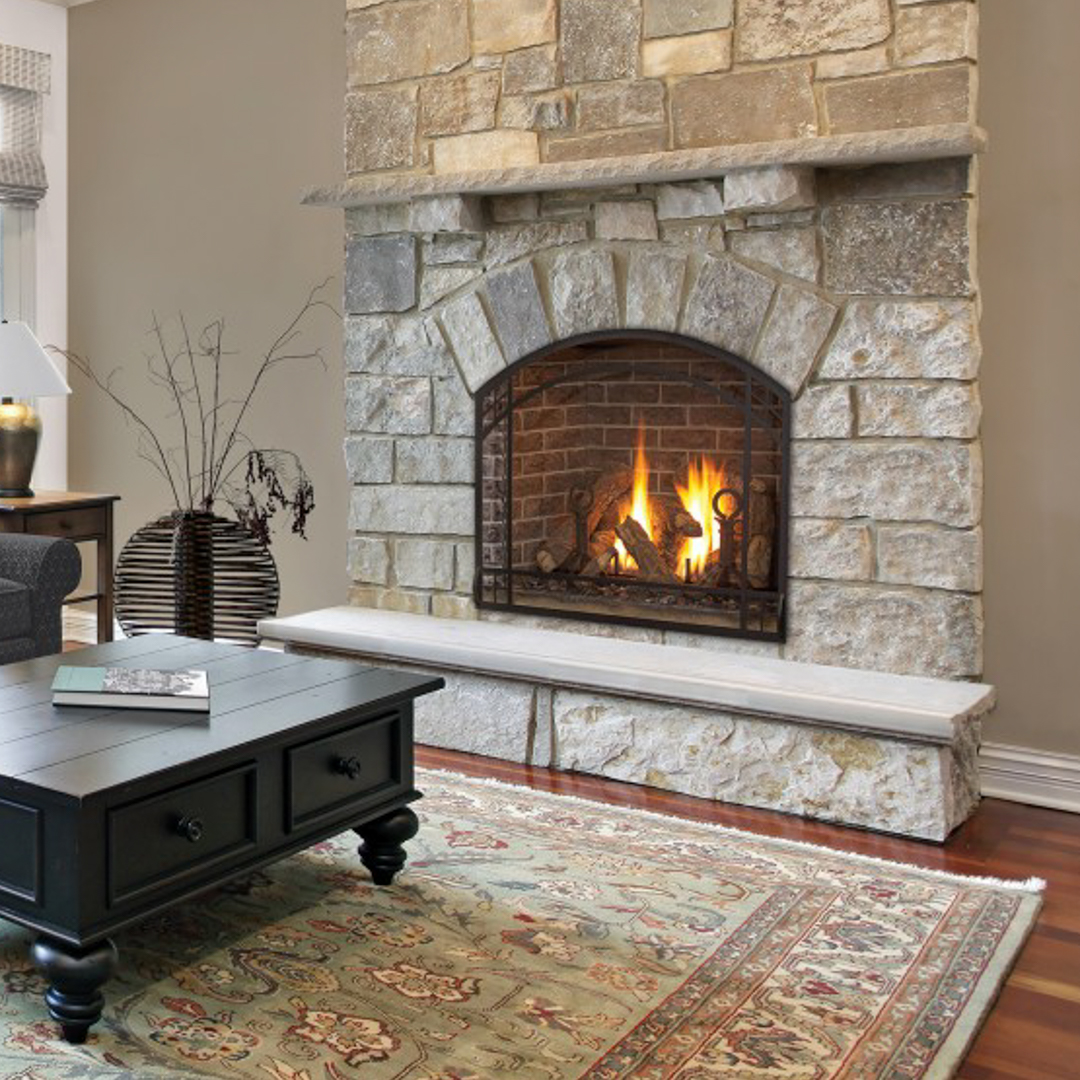 Make less smoke, make less creosote
The key to limiting creosote levels is to produce less smoke and reduce the time it remains in the flue.
Here are some tips.
- Burn dry firewood. Damp, unseasoned wood is very smoky.
- Clean creosote and outside debris from the flue to keep the path open. Install a chimney cap to keep out tree and animal debris.
Be mindful of kitchen and bathroom exhaust fans, which can impede the rise of smoke and keep it in the flue for extended periods.
- Use a hair dryer or rolled-up lit newspaper to warm the flue before starting a fire – cold flue air is denser and heavier than warm smoke.
- Burn only firewood, never clothing, plastics, finished wood products, or other items that tend to be very smoky.
Schedule a chimney sweep
If it’s been more than a year since your chimney was cleaned and inspected, call American Chimney & Fireplace in the greater Louisville, KY, area to schedule this service.
Reach us by phone or through our contact form to improve the safety of your chimney.