
Freeze-Thaw Warning: January’s Silent Killer
Depending on where you live, winter can be brutal. It's not only the cold, snow, ice, and traveling hassle: it's also the unseen damage that it does to your chimney. It's called the freeze-thaw cycle, and if left unchecked, it can lead to costly repairs.
Here’s the lowdown on the freeze-thaw cycle, the damage it does, and what you can do to protect your chimney.
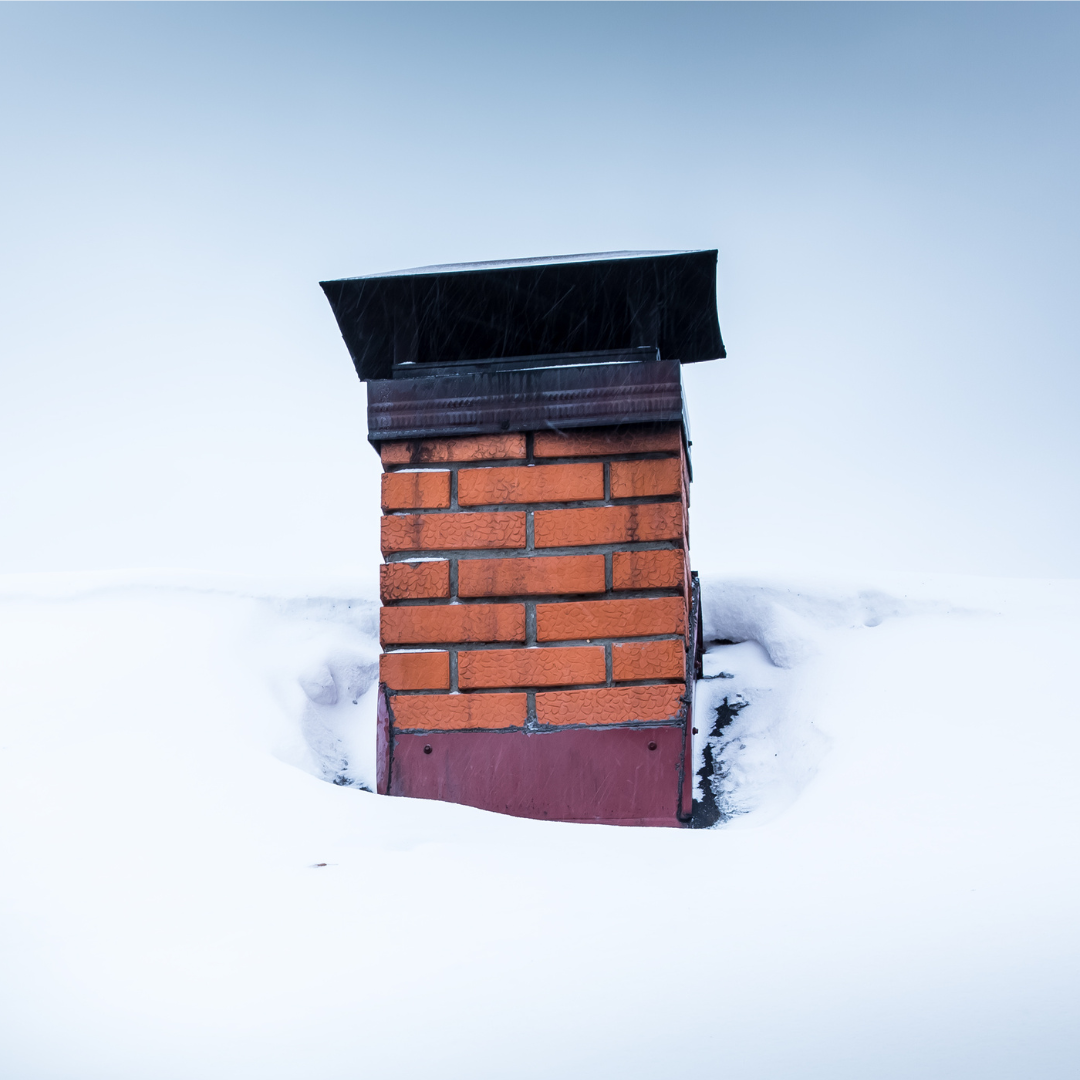 What is the Freeze-Thaw Cycle?
In a nutshell, the freeze-thaw cycle is what happens when water seeps into the chimney's masonry components: bricks, mortar, and concrete. When the temperature drops, the water freezes and expands, causing tiny cracks. Repeated freezing and thawing cause cracks to grow, leading to brick spalling, crumbling mortar joints, and cracked crowns.
In winter, this process can repeat hundreds of times, and because your chimney is stuck in the elements 24/7, it’s only a matter of time before things break down.
Common Types of Freeze-Thaw Damage
One of the first things you'll notice that signals a problem is spalling. Spalling happens when the brick's face flakes, chips, or breaks off. When water inside the brick freezes, it forces the outer layer to slough off. Once spalling starts, the brick becomes more vulnerable to water and continues to deteriorate.
Mortar joint deterioration is another sign of freezing and thawing. When water freezes inside the mortar, it causes it to crack and crumble. Damaged mortar allows more moisture inside, and the joints can get so damaged that the bricks start to loosen.
Another thing to watch for is a cracked or damaged chimney crown. The crown is designed to shed water away from the chimney, but cracks allow moisture inside. As cracks widen, pieces of the crown can break away.
Years of freezing and thawing, and the damage they cause, can lead to a leaning chimney, internal flue damage, and water leaks in the home. In severe cases, the chimney's entire structure could be compromised.
How Freeze-Thaw Damage Can Affect Safety
Damage caused by the freeze-thaw cycle isn't just cosmetic. Loose bricks and deteriorating mortar can fall, creating a safety hazard for people or pets on the ground, or damage your roof. Cracks in the flue liner can allow heat to reach your home's combustible materials.
Moisture intrusion can mix with creosote inside the flue, increasing the risk of chimney fires.
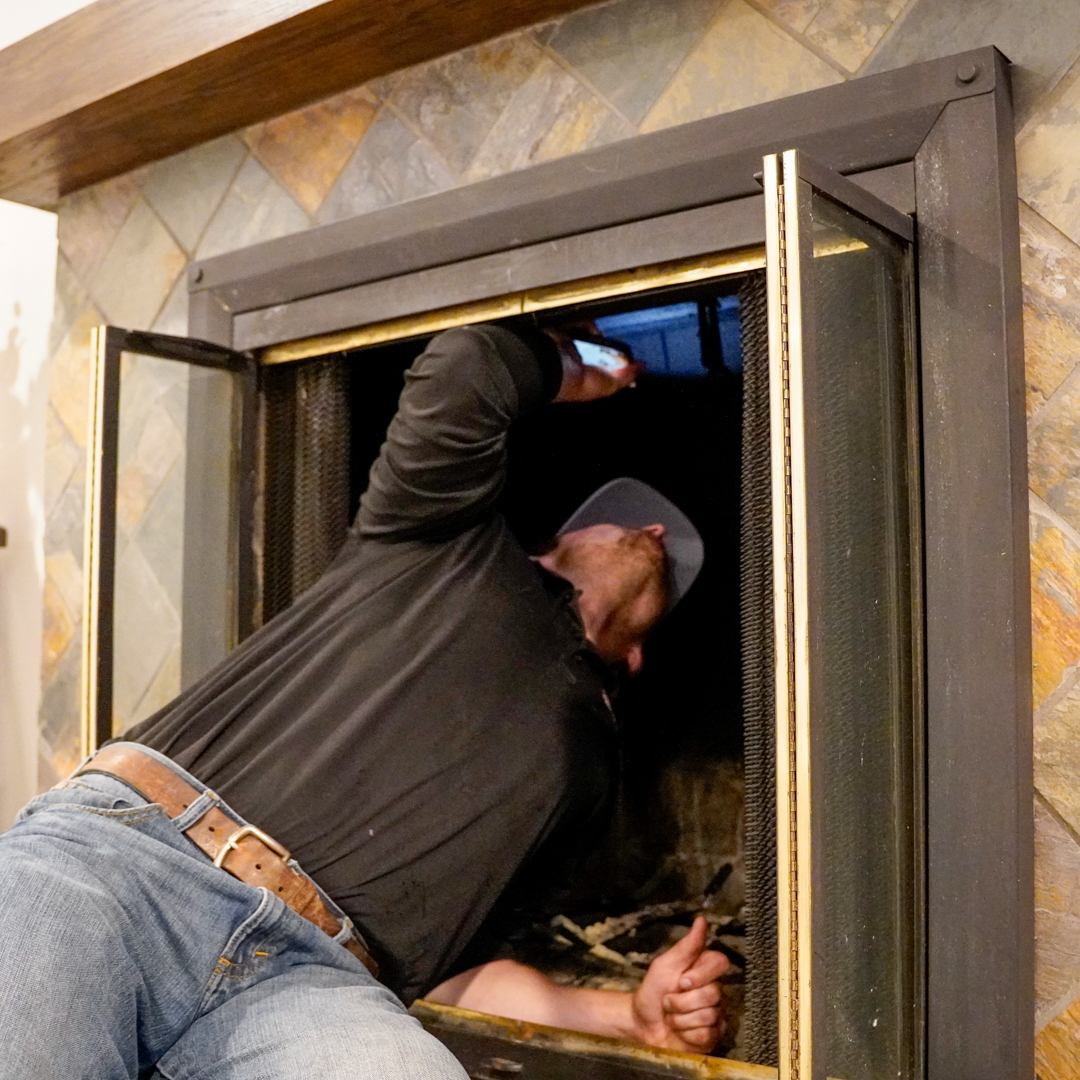
What You Can Do
The best defense against freeze-thaw damage is moisture control. When you keep water out of the chimney's masonry, you minimize the expansion and contraction that cause deterioration.
Adding a chimney cap is a simple and cost-effective way to keep moisture at bay. These devices keep rain and snow from entering the flue, while still allowing ventilation.
Another thing that's worth doing is adding a waterproofing sealant to the chimney's exterior. These products repel water while allowing the moisture inside brick and concrete to escape.
Maintaining the crown and repairing minor cracks as soon as you notice them is essential and prevents needing major repairs or rebuilds in the future.
Lastly, tuckpointing deteriorated mortar joints restores their strength and keeps moisture from going deeper into the chimney.